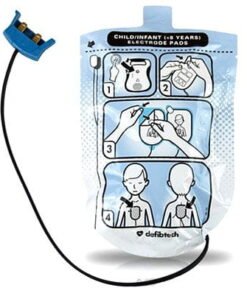
The Vital Role of AED Pads
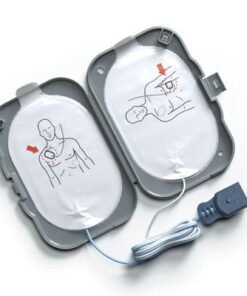
AED pads are adhesive electrodes that connect the Automated External Defibrillator (AED) to a patient’s chest. They play a critical role in the defibrillation process by enabling the AED to analyze, decide, and act during a cardiac emergency.
- Analyzing Heart Rhythm: The pads transmit the patient’s heart rhythm to the AED, allowing it to determine whether a shock is required.
- Delivering Electrical Current: If a shockable rhythm is detected, the AED delivers an electrical current through the pads to help restore a normal heart rhythm.
- User Guidance: Many AEDs provide voice and visual prompts that guide users through pad placement and the defibrillation process.
In short, AED pads act as the bridge between the AED and the patient, making both accurate diagnosis and life-saving treatment possible.
Types of AED Pads
AED pads are available in different configurations to meet various patient needs:
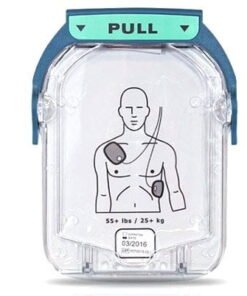
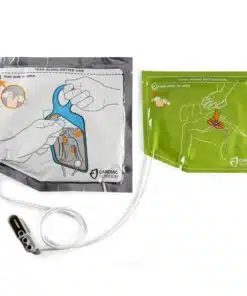
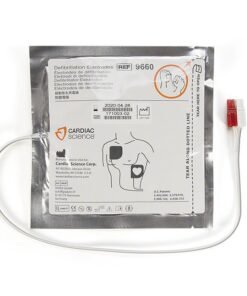
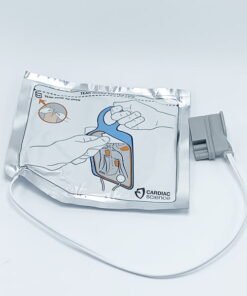
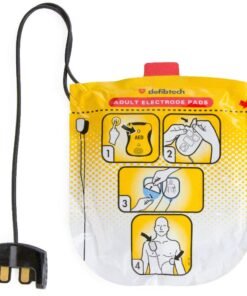
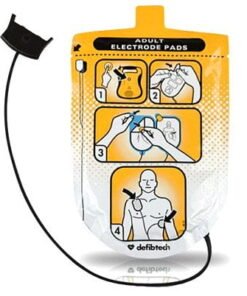
Adult Pads
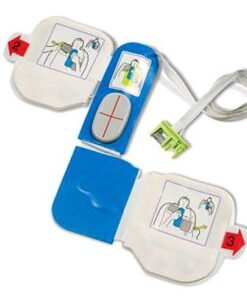
Adult AED pads are designed for adults and children over 8 years old or weighing more than 55 lbs. They are larger to ensure proper contact with the adult chest.
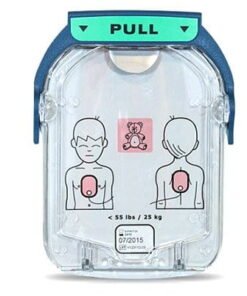
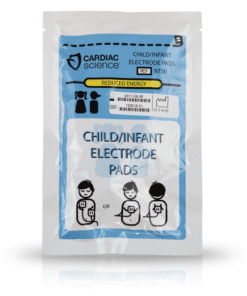
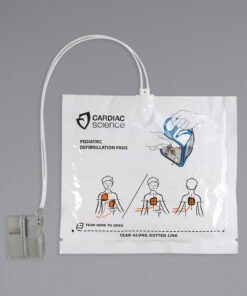
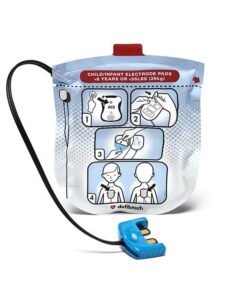
Pediatric Pads
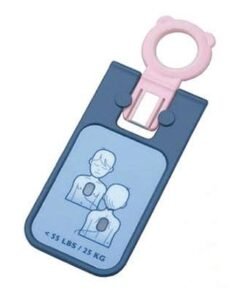
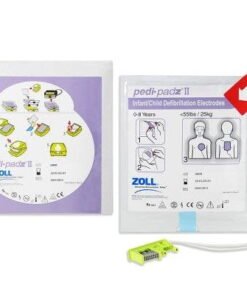
Pediatric pads are specifically made for children under 8 years old or weighing less than 55 lbs. These pads are smaller and deliver a reduced energy shock suitable for a child’s body.
Universal Pads
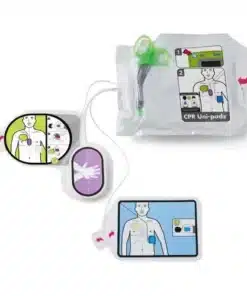
Some newer AED models support universal pads that can be used for both adults and children. The AED automatically adjusts the shock level based on the patient detected through the pads.
Additional Considerations
- Single-Patient vs. Multi-Patient Pads: Some AED pads are designed for single use, while others may be reusable for a limited number of patients. Always follow the manufacturer’s guidelines.
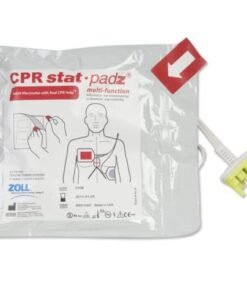
- Connector Design: AED pads connect to devices using specific cable and connector types. Ensure replacement pads are compatible with your AED model.
Why Use Replacement Pads?
AED pads have a defined expiration date. Over time, the adhesive gel can dry out, and the electrodes may degrade, reducing their effectiveness during an emergency.
Using fresh replacement pads is essential for the following reasons:
- Guaranteed Functionality: Expired pads increase the risk of malfunction. New pads ensure reliable performance and proper shock delivery.
- Proper Adhesion: Strong adhesion is critical for accurate ECG readings and effective defibrillation.
- Peace of Mind: Having up-to-date pads available ensures your AED is ready for immediate use when every second matters.
Choosing the Right Replacement Pads for Your AED
With a wide range of AED pad options available, selecting the correct replacement pads is crucial. Consider the following:
- AED Model: Pads are specific to each AED model. Check your user manual or consult the manufacturer to confirm compatibility.
- Adult or Pediatric Use: Choose adult, pediatric, or universal pads based on who the AED is intended to protect.
- Expiry Date: Select pads with an expiration date well beyond your expected usage period.
- Quantity: Keeping extra sets of pads on hand helps ensure readiness in case of multiple emergencies.
Callmed Equipment: Your Trusted Source for AED Pads
At Callmed Equipment, we understand how critical AED pads are to the overall effectiveness of your AED. That’s why we offer a wide selection of high-quality replacement pads from trusted manufacturers, compatible with a variety of AED models.
Our knowledgeable team is always available to help you select the correct pads and answer any questions related to AED pad usage, replacement, or maintenance.