
-
×
 1 × $2,064.00
 -
×
 1 × $2,182.00
 -
×
 1 × $775.00
 -
×
 1 × $1,199.00


Uncategorized
Defibrillator AED: Understanding Its Importance, Function, and Benefits

15
Dec
Dec
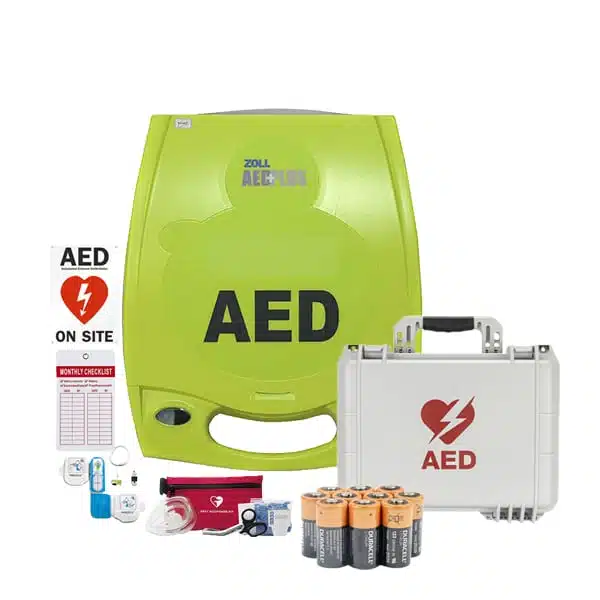
A defibrillator AED (Automated External Defibrillator) is one of the most essential life-saving devices used during sudden cardiac arrest. Designed for fast, simple, and effective use, an AED can restore a normal heart rhythm with an electric shock when the heart unexpectedly stops beating properly. Because sudden cardiac arrest can occur anywhere—homes, workplaces, sports facilities, public spaces, or during daily activities—having access to an AED can make the difference between life and death. Its ease of use, portability, and immediate functionality have transformed emergency response systems worldwide.
What Is a Defibrillator AED?
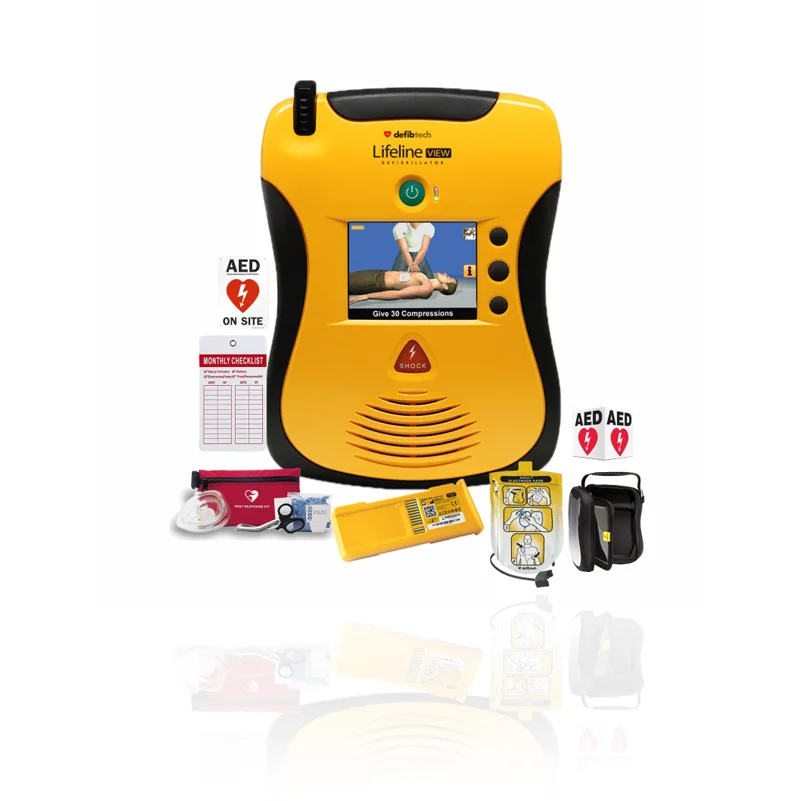
An AED is a portable electronic device that automatically analyzes heart rhythm and determines whether a shock is needed. Unlike professional medical defibrillators used in hospitals, AEDs are designed for layperson use. They provide step-by-step voice prompts, visual cues, and clear instructions, ensuring that even individuals with minimal training can use them confidently.
AEDs work specifically for cardiac arrests caused by arrhythmias such as ventricular fibrillation or pulseless ventricular tachycardia. By delivering a controlled shock, the device interrupts the abnormal rhythm and gives the heart a chance to restart normally.
How a Defibrillator AED Works
1. Assessing the situation
The user checks for responsiveness, breathing, and signs of cardiac arrest. If the victim is unresponsive and not breathing normally, the AED is retrieved and turned on.
2. Attaching the electrode pads
The pads are placed on the victim’s chest in the positions shown on the pad diagrams. These pads detect the heart’s electrical activity.
3. Analyzing the heart rhythm
Once connected, the AED automatically evaluates the heart rhythm. During this phase, no one should touch the victim to avoid interference.
4. Delivering the shock
If the AED determines a shock is needed, it instructs the user to stand clear and press the shock button. Fully automatic models deliver the shock without a button press.
5. Providing CPR guidance
Many AEDs also guide the user through CPR cycles, including compression depth, speed, and timing.
Through this sequence, the AED makes life-saving intervention accessible to nearly anyone in an emergency.
Why AEDs Are Essential in Cardiac Emergencies
Sudden cardiac arrest is different from a heart attack. While a heart attack involves blocked blood flow, cardiac arrest is an electrical failure where the heart stops beating effectively. Survival depends on immediate action. Brain damage can begin within minutes, and without intervention, death follows quickly.
AEDs are vital because they:
- Provide early defibrillation—the most critical factor in survival.
- Bridge the gap between collapse and the arrival of emergency medical services.
- Are reliable and require minimal decision-making from the user.
- Can be placed in community spaces where large crowds gather.
Their presence and accessibility significantly improve the chances of reviving someone before medical responders arrive.
Where AEDs Should Be Placed
Because cardiac arrest can happen anywhere, AED placement should prioritize locations with high foot traffic or increased risk potential. Common placement areas include:
- Schools and universities
- Airports, bus terminals, and train stations
- Gyms, stadiums, and sports clubs
- Office buildings
- Shopping malls
- Factories and industrial workplaces
- Hotels and event venues
- Community centers
- Police and security vehicles
AEDs should be installed in highly visible, easy-to-reach locations marked with standard AED signage. The goal is to ensure that anyone nearby can quickly locate the device during an emergency.
Training and Ease of Use
Although AEDs are designed for simplicity, basic training increases user confidence and reduces hesitation during emergencies. Training typically covers CPR, AED operation, and recognizing cardiac arrest symptoms.
Modern AEDs, however, remove complex decision-making by providing:
- Voice instructions
- Illustrations
- Visual indicators
- Automatic rhythm analysis
- Safety prompts
This makes them accessible to both trained responders and the general public.
AED Design Features
Different AED models offer various helpful features. Some include:
1. Real-time CPR coaching
Guidance on compression rate, depth, and timing improves CPR quality.
2. Automatic self-tests
Devices run self-checks to ensure battery and pad readiness.
3. Long-lasting batteries and pads
Low maintenance and easy replacement.
4. Rugged construction
Many AEDs are built to withstand dust, moisture, and rough handling.
5. Child mode or pediatric pads
Some AEDs allow immediate adaptation for infants and children.
These features simplify operation, shorten the response time, and ensure effectiveness in all environments.
Common Myths About AEDs
Myth 1: Only medical professionals can use AEDs.
Fact: AEDs are designed for public use and guide the user step by step.
Myth 2: AEDs can harm someone who doesn’t need a shock.
Fact: AEDs only deliver a shock if the heart rhythm requires it.
Myth 3: Using an AED is risky.
Fact: Modern AEDs have built-in safeguards and are extremely safe.
Understanding these truths helps increase public willingness to act during emergencies.
Maintenance and Readiness
Even though AEDs require little maintenance, regular checks ensure they function properly. Routine tasks include:
- Verifying battery charge
- Checking pad expiration dates
- Inspecting the device for damage
- Ensuring the AED is visible and accessible
- Reviewing self-test indicators
Proper upkeep guarantees the AED is ready every time it’s needed.
Benefits of Widespread AED Deployment
Expanding AED availability creates a stronger, more responsive safety network. Benefits include:
- Higher survival rates in communities
- Healthier, more prepared work environments
- Greater public confidence in emergency readiness
- Enhanced safety at large gatherings
- Faster intervention during critical moments
Every AED placement increases the likelihood that a sudden cardiac arrest victim will receive timely help.
Conclusion
A defibrillator AED is an essential tool for responding to sudden cardiac arrest. Its simplicity, rapid functionality, and widespread availability make it a cornerstone of modern emergency response. Whether in public places, workplaces, schools, or emergency vehicles, AEDs ensure that lifesaving defibrillation is always within reach. By understanding how AEDs work and promoting their accessibility, communities can save more lives and build a safer environment for everyone.
FAQs
1. What is a defibrillator AED used for?
It restores a normal heart rhythm during sudden cardiac arrest by delivering an electric shock.
2. Can anyone use an AED?
Yes. AEDs provide clear voice and visual instructions, making them easy for anyone to operate.
3. Do AEDs require regular maintenance?
Yes, but only minimal checks—like battery level, pad condition, and self-test indicators.

 info@calmedequipment.com
 1 (888) 912-2563
 1891 N Gaffey Street Suite E, San Pedro CA 90731


