
Uncategorized
AEDs for Schools: Why Every Campus Should Be Prepared for Cardiac Emergencies
Dec
Cardiac arrest can strike without warning, even among young people. According to global health estimates, sudden cardiac arrest affects approximately 1 in 50,000 children annually, and survival chances decrease by 7–10% for every minute that passes without defibrillation. Because schools are hubs of activity for students, staff, and communities, having an Automated External Defibrillator (AED) on campus can be the difference between life and death. AEDs are portable, easy-to-use devices that analyze heart rhythm and deliver an electric shock when needed. When integrated into a school’s emergency response plan, they significantly improve survival outcomes. Understanding not only why AEDs matter but also how they should be implemented and maintained is critical for any educational institution focused on the health and safety of its people.
What Is an AED and How Does It Work?
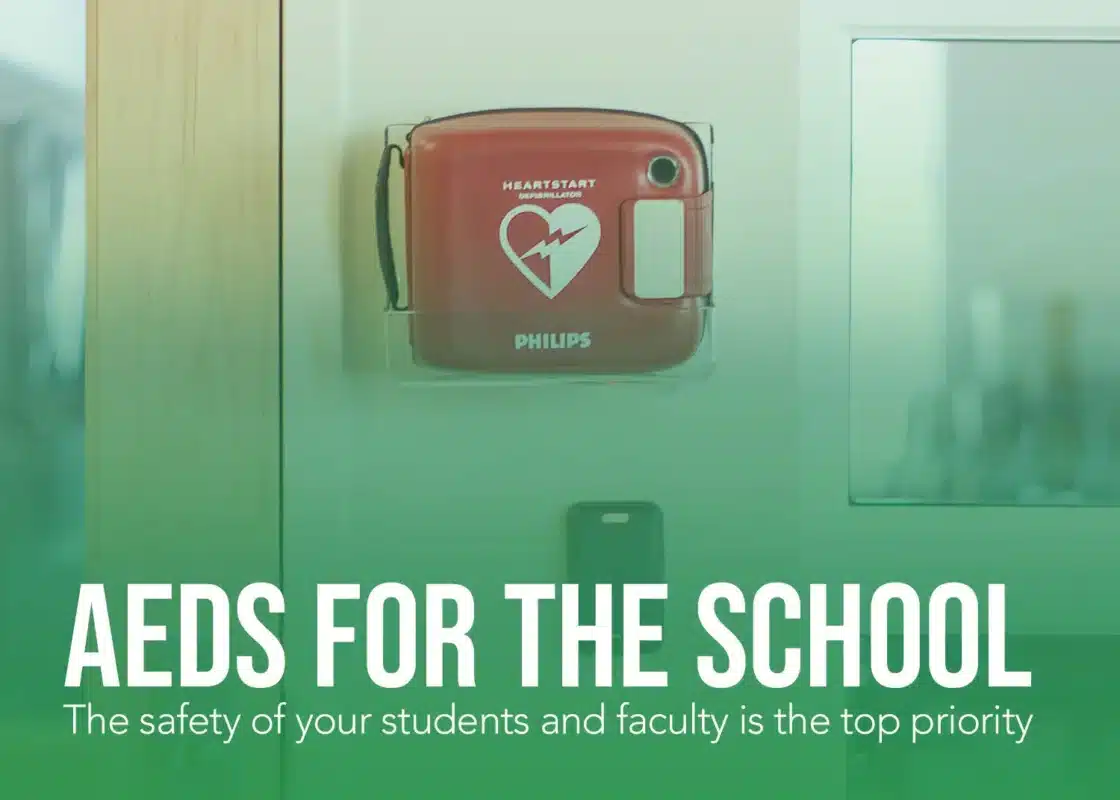
An Automated External Defibrillator (AED) is a small, battery-powered medical device designed to treat sudden cardiac arrest (SCA), a condition in which the heart unexpectedly stops beating. Unlike other first-aid equipment, AEDs are specifically engineered to detect dangerous heart rhythms and deliver an electric shock—called defibrillation—to restore a normal heartbeat. The most remarkable aspect of an AED is its simplicity: most units provide voice prompts, visual cues, and step-by-step guidance that allow even untrained bystanders to use them effectively.
In the event of a sudden cardiac arrest, every second counts. Brain damage can begin within minutes of cardiac arrest due to oxygen deprivation. Because emergency medical services may take critical minutes to arrive, an AED in the school environment fills that gap, giving responders on site the chance to act immediately.
Why Schools Should Have AEDs
Schools are places where large numbers of students, teachers, parents, and visitors gather daily. Children with undiagnosed heart conditions, staff with known health issues, and even adults passing through for events can be at risk. There are several compelling reasons schools should install AEDs:
1. Cardiac Events Can Happen Anywhere
Though cardiac arrest is more common in adults, it can and does occur in younger people due to congenital conditions, commotion cordis (a sudden impact to the chest), or undiagnosed cardiac abnormalities. In high-intensity areas like gyms, playgrounds, and sports fields, the risk is higher because of physical exertion.
2. Immediate Defibrillation Saves Lives
The survival rate for out-of-hospital cardiac arrest increases dramatically when defibrillation is delivered within the first few minutes. AEDs empower educators and bystanders to act swiftly while waiting for emergency medical responders, significantly improving the chance of survival and reducing long-term neurological damage.
3. Builds a Culture of Safety
Installing AEDs is a visible commitment to student and staff wellbeing. It communicates that a school takes health emergencies seriously, encouraging a proactive approach to safety training and emergency preparedness across the community.
4. Supports Sports and Extracurricular Activities
Many cardiac arrests in schools are linked to sports or strenuous physical activity. Having AEDs near athletic facilities and training staff in CPR and AED use ensures that those engaged in physical activity receive appropriate and immediate care if something goes wrong.
AED Placement and Accessibility
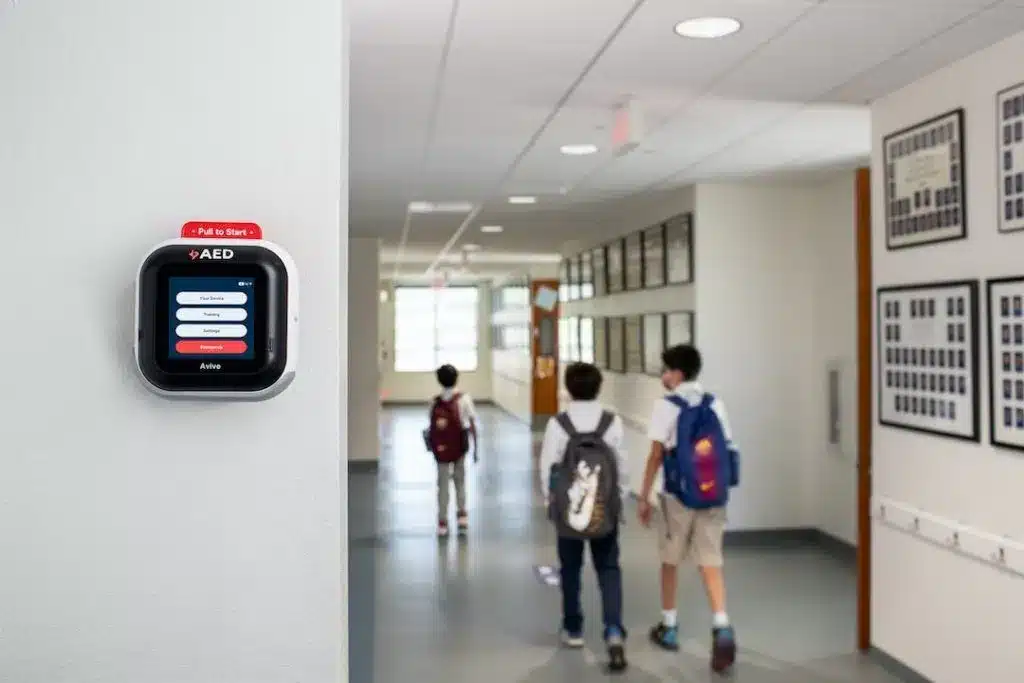
It’s not enough to simply purchase an AED; schools must think strategically about where devices are placed and how accessible they are. The goal is to ensure that an AED can be retrieved and put into use within three to five minutes of a cardiac arrest. This means:
- Installing AEDs near high-traffic areas like main entrances, gymnasiums, cafeterias, and sports fields.
- Mounting AEDs in clearly marked, unlocked cabinets.
- Ensuring the path from common areas to AEDs is unobstructed and well signed.
- Mapping AED locations within the school’s emergency action plan.
A best practice is to conduct a site assessment to determine optimal coverage. Schools with multiple buildings or large campuses should install multiple units to reduce retrieval time.
Training School Staff and Students
An AED is only effective when people know how to use it. While AEDs are designed for use by laypersons and provide automated instructions, formal training enhances confidence and speeds action during real emergencies. Training should include:
CPR and AED Certification for Staff
Regular CPR (cardiopulmonary resuscitation) and AED training sessions help ensure that teachers, administrative staff, and coaches can respond under stress. These sessions are typically offered by accredited organizations and cover:
- Recognizing cardiac arrest signs
- Performing high-quality chest compressions
- Using an AED safely and effectively
- Coordinating actions with emergency services
Student Awareness and Basic Response Training
Older students, particularly those in health sciences or sports programs, can benefit from basic CPR and AED awareness. Schools can incorporate these topics into health education classes or offer elective training modules. Even students who are not fully certified can learn how to retrieve and position an AED, call for help, and assist adult responders.
Regular Drills and Refreshers
Like fire drills, schools should run periodic emergency response drills that include AED retrieval and use. Practicing in a controlled environment helps participants build muscle memory and reduces hesitation in real situations.
Legal and Policy Considerations
Many regions, including parts of Pakistan, encourage or require AED placement in public institutions, including schools. While laws vary by jurisdiction, schools should:
- Understand local regulations regarding AED installation, maintenance, and reporting requirements.
- Develop written policies explaining roles, responsibilities, and procedures in an emergency.
- Ensure proper consent and communication protocols are in place, especially when involving student participation in training programs.
Schools should consult with legal counsel or local education authorities to craft policies that align with national and provincial guidelines.
Maintenance and Readiness Checks
AEDs are highly reliable, but they do require routine maintenance to ensure they work when needed. A typical maintenance checklist includes:
- Daily or weekly visual inspections to ensure the unit is in place and undamaged.
- Battery and pad expiration monitoring to replace components before they expire.
- Self-test reports (many devices run automatic diagnostics) to flag any errors.
- Recordkeeping to track maintenance dates, battery changes, and software updates.
Assigning responsibility to specific staff members ensures accountability. Routine checks can be integrated into regular safety inspections.
Budgeting for AEDs and Related Costs
Initial costs for high-quality AED units can vary, but many educational institutions view them as essential safety investments. Budget considerations should include:
- The cost of devices and protective cabinets
- Training expenses for staff and students
- Replacement pads, batteries, and accessories
- Maintenance and periodic inspections
Many schools pursue grants, community partnerships, or fundraising campaigns to offset these costs. In some regions, health departments or nonprofit organizations also provide financial support for AED deployment in schools.
The Role of Community Engagement
Schools serve as community hubs, and AEDs on campus can also benefit the public during after-hours events, sports leagues, or community programs. Clear signage indicating that an AED is available for public use can expand campus safety into surrounding neighborhoods.
Partnering with local health organizations, emergency responders, and parent-teacher associations can create a community network that supports AED training, awareness campaigns, and emergency response preparedness beyond the school itself.
When AEDs Made a Difference
There are numerous documented incidents worldwide where the presence of an AED directly saved a life on school grounds. In some cases, students with known heart conditions experienced sudden cardiac arrest during sports, and immediate intervention with an AED by trained staff resulted in full recovery. In other scenarios, visiting adults at school events benefited from the device before paramedics arrived.
These real-world outcomes underscore a critical reality: emergency medical services, no matter how efficient, may still take several minutes to reach a campus. During that time, on-site responders equipped with AEDs and knowledge can be life-savers.
Overcoming Implementation Challenges
While the benefits of AEDs are clear, some schools face challenges in adopting them. Common obstacles include:
- Budget constraints
- Lack of trained personnel
- Uncertainty about regulations and liability
- Maintenance concerns
Addressing these challenges starts with leadership buy-in. School administrators can prioritize safety by allocating funds, scheduling regular training, and seeking community support. Clarifying legal protections (many areas grant Good Samaritan immunity to AED users) helps reduce hesitation among staff and volunteers.
Ultimately, overcoming these barriers strengthens the school’s safety culture and prepares it for emergencies that no one expects but everyone must be ready to handle.
Conclusion
Sudden cardiac arrest is unpredictable and can affect individuals of any age. In a busy school environment, the presence of Automated External Defibrillators (AEDs), combined with CPR-trained staff and a solid emergency response plan, significantly enhances the chances of survival and positive outcomes. AEDs are practical, cost-effective tools that bridge the gap between the onset of a cardiac emergency and the arrival of professional medical help.
By placing AEDs strategically, conducting regular training, maintaining devices properly, and engaging the school community, educational institutions transform themselves into safer spaces for students, staff, families, and visitors. Schools that adopt AED programs not only protect lives—they demonstrate a strong commitment to health, preparedness, and community wellbeing.
FAQs
1. What is an AED?
An Automated External Defibrillator is a portable device that detects dangerous heart rhythms and delivers a shock to help restart the heart during sudden cardiac arrest.
2. Who can use an AED?
AEDs are designed for use by laypersons with little or no medical training and provide step-by-step guidance to assist the user.
3. Should every school have an AED?
Yes. Given the unpredictability of cardiac events, having an AED on campus improves survival chances and is considered a best practice for school safety.

 info@calmedequipment.com
 1 (888) 912-2563
 1891 N Gaffey Street Suite E, San Pedro CA 90731


