
-
×
 1 × $2,064.00
 -
×
 1 × $2,182.00
 -
×
 1 × $775.00
 -
×
 1 × $1,199.00


Uncategorized
AEDs for Police: Why Law Enforcement Must Be Equipped for Cardiac Emergencies
12
Dec
Dec
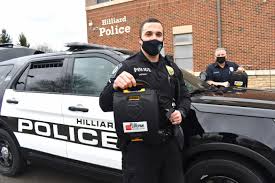
Police officers are often the first to arrive at emergency scenes, including medical incidents that require immediate intervention. Sudden cardiac arrest remains a leading cause of unexpected death, and global estimates show that over 350,000 out-of-hospital cardiac arrests occur annually, with survival depending heavily on the first few minutes. Since police often reach victims before paramedics, having an Automated External Defibrillator (AED) in patrol vehicles dramatically increases the chances of saving lives. AEDs are simple, portable, and designed for quick action—making them essential tools in modern policing.
Role of AEDs in Law Enforcement
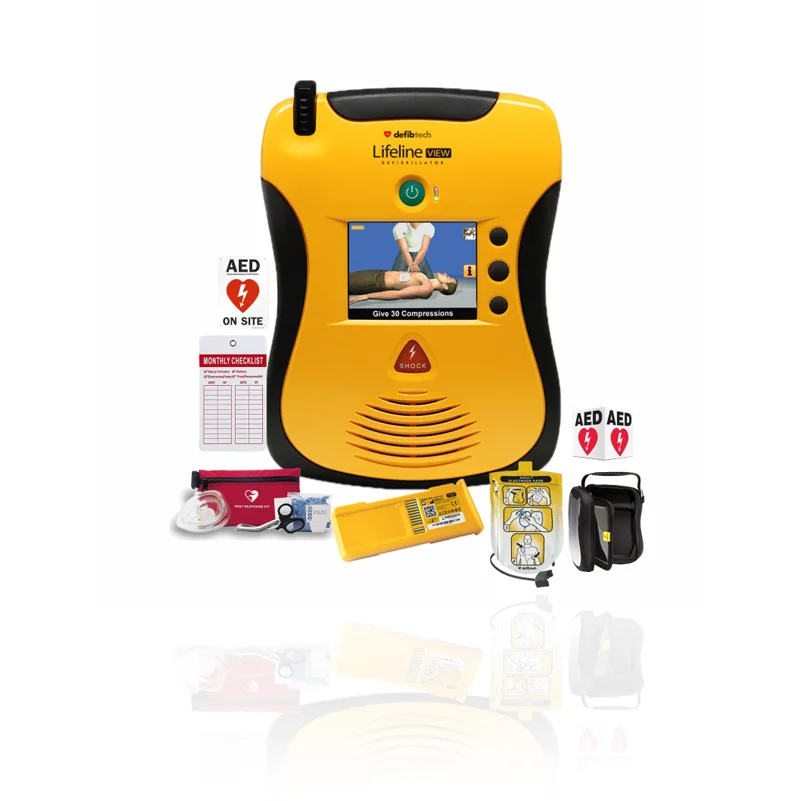
An AED is a lightweight, battery-operated device that delivers an electric shock to restore a normal heart rhythm during cardiac arrest. For law enforcement officers, whose responsibilities extend far beyond crime response, AEDs serve as critical medical devices that bridge the gap between an emergency call and the arrival of medical professionals. Police officers frequently interact with the public in unpredictable situations, and many calls involve medical distress.
Whether responding to a road accident, a public disturbance, a sports event, or a welfare check, officers often encounter individuals experiencing cardiac issues. Having an AED on hand transforms police personnel into immediate lifesavers, enabling them to initiate life-saving interventions before medical teams take over.
Why AEDs Are Vital for Police Officers
1. Police are often the first responders
It is not uncommon for police to arrive on-scene faster than ambulances, especially in busy cities or rural areas with limited medical resources. When cardiac arrest occurs, even a few minutes of delay can result in irreversible brain damage or death. Equipped police officers can begin critical interventions instantly.
2. AEDs complement CPR efforts
While CPR keeps blood circulating, defibrillation is what restarts the heart. Police who administer CPR while using an AED dramatically increase the victim’s chance of survival and recovery. AEDs provide voice instructions, ensuring even officers with minimal medical training can use them effectively.
3. Strengthening public trust
When citizens know that police vehicles carry AEDs, it enhances community trust. Law enforcement becomes not only a symbol of protection but also of public health and safety. Officers who save lives through swift medical action reinforce a positive relationship with the community.
Types of Situations Where Police Need AEDs
Police may encounter cardiac emergencies in various contexts:
- Domestic calls, where stress-related cardiac arrests occur
- Road traffic accidents, where victims suffer trauma-induced arrhythmias
- Drug overdoses, which can cause irregular heart rhythms
- Public gatherings and events, where large crowds increase the risk
- Jail or detention settings, where detainees may have unknown conditions
- Routine patrols, where officers may witness someone collapse in public
Because cardiac arrest is unpredictable, AEDs allow officers to respond properly regardless of the situation.
AED Training for Police Officers
Practical training enhances confidence
Although AEDs are built for layperson use, structured training ensures officers are confident and prepared to act quickly under pressure. Training typically includes:
- Recognizing cardiac arrest symptoms
- Performing high-quality CPR
- Operating the AED safely
- Coordinating with dispatch and medical responders
- Managing crowds during emergencies
This training becomes part of an officer’s skillset, improving readiness for all types of emergencies.
Incorporating AED use into police academy programs
When AED training is integrated into police academies, recruits enter the field already equipped to handle life-threatening medical incidents. This builds a stronger emergency response system from the start.
Refresher courses and simulation drills
Ongoing refresher sessions help officers stay familiar with AED operation. Simulation drills replicate real-life stress conditions, improving response accuracy and speed.
Benefits of AEDs for Law Enforcement Agencies
Improved response outcomes
The biggest benefit is the increased survival rate of cardiac arrest victims. When officers carry AEDs, lives are saved that otherwise might be lost before medical teams arrive.
Enhanced officer safety
Police work is physically stressful. Officers themselves may suffer cardiac emergencies due to long hours, high stress, or physically demanding activity. An AED in the patrol car can be used on fellow officers as well.
Stronger community relations
A law enforcement agency that saves lives through AED deployment gains trust and admiration from the public. Officers become symbols of hope and support during critical moments.
Reduced burden on emergency medical services
EMS teams often face high call volumes. When police provide immediate intervention, medical teams can focus on transport and advanced care instead of starting from scratch.
Supporting public health goals
AED-equipped police departments contribute to broader public health initiatives, helping reduce deaths from sudden cardiac arrest and creating safer communities.
AED Placement in Police Vehicles and Facilities
Inside patrol vehicles
Placing AEDs in patrol cars ensures rapid access during field emergencies. Officers typically carry AEDs in the trunk or in a designated compartment for quick retrieval.
Police stations and detention facilities
AEDs should be installed in lobbies, booking areas, interrogation rooms, training rooms, and gyms. Stress, drug use, and medical conditions can lead to unexpected emergencies among visitors, detainees, or staff.
Strategic placement during events
When police oversee public events—festivals, rallies, sports matches—they can strategically position AED-equipped officers in key locations for immediate response.
Maintenance and Oversight
To ensure AEDs remain functional, law enforcement agencies must implement a maintenance plan that includes:
- Monthly device checks
- Regular battery testing
- Pad replacement before expiration
- Documentation of all inspections
- Software or firmware updates as needed
Assigning dedicated personnel to oversee AED readiness ensures devices perform perfectly when needed.
Overcoming Challenges in Implementing AED Programs
Budget limitations
One of the most common barriers is cost. AEDs, while affordable compared to medical equipment, still require funding. Police departments can seek grants, community donations, or government support.
Training logistics
Ensuring all officers are trained requires time and coordination. However, online modules and compact training sessions make implementation easier.
Device management
Large departments may struggle to track maintenance across hundreds of vehicles. Digital tracking systems or assigned AED officers help keep devices organized and inspection-ready.
AED Success Stories in Law Enforcement
Many police departments worldwide report success stories where officers saved lives thanks to AEDs in their patrol cars. These cases include:
- Children collapsing at sports events
- Commuters suffering sudden collapse at bus stops
- Drivers found unresponsive after car accidents
- Individuals experiencing cardiac arrest in custody
- Elderly citizens collapsing during routine errands
These real-world saves highlight the difference an AED can make when minutes matter.
Why AEDs Are Becoming Standard in Modern Policing
With the evolving role of police officers, expectations have expanded beyond crime control. Officers now play essential roles in health emergencies, community outreach, and crisis response. AEDs reflect this shift, enabling police departments to step into life-saving roles with confidence and preparedness.
Many modern police forces now view AEDs as essential equipment—just like radios, batons, or first-aid kits. They are compact, cost-effective, and capable of saving lives in unpredictable situations, making them a natural fit for day-to-day police operations.
Conclusion
Sudden cardiac arrest is a medical emergency where seconds determine survival. Because police officers frequently reach victims before ambulances, AEDs empower them to provide life-saving care instantly. Equipping every patrol car, station, and public event unit with an AED strengthens the entire emergency response system. With proper training, accessible placement, and regular maintenance, AEDs become powerful tools that protect both the community and the officers themselves.
By integrating AED programs into daily operations, law enforcement agencies demonstrate a commitment not only to public safety but also to public health—proving once again that their role is far more than enforcement alone. It’s protection at its most fundamental level: saving lives.
FAQs
1. Why should police carry AEDs?
Because they often arrive before medical teams, giving them the chance to deliver lifesaving care during cardiac arrest.
2. Are AEDs easy for officers to use?
Yes. AEDs provide voice and visual prompts, allowing even minimally trained officers to use them effectively.
3. Do police departments need special training?
Basic CPR and AED training is recommended, but the device itself is designed for immediate use with guided instructions.

 info@calmedequipment.com
 1 (888) 912-2563
 1891 N Gaffey Street Suite E, San Pedro CA 90731


