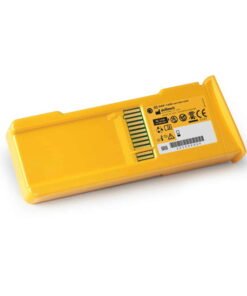
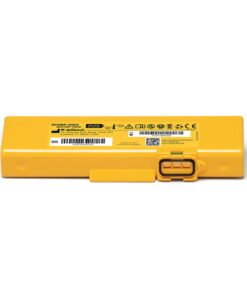
Why AED Batteries Matter
When it comes to Automated External Defibrillators (AEDs), reliable and fully functional batteries are non-negotiable. These life-saving devices are designed to deliver electric shocks that restore normal heart rhythms during cardiac emergencies.
Without a properly functioning battery, an AED becomes ineffective, which can directly reduce the chances of survival for someone experiencing sudden cardiac arrest.
Callmed Equipment holds authorized distributorships for leading AED brands, including Philips, Defibtech, ZOLL, Cardiac Science, Heartsine, and LIFEPAK (Physio-Control).
The Basics: Types of AED Batteries
Rechargeable vs. Non-Rechargeable Batteries
AEDs typically operate using either rechargeable or non-rechargeable batteries. Understanding the difference helps you choose the right option for your environment.
Rechargeable Batteries
Rechargeable batteries can be reused after charging, making them more cost-effective over time. They are commonly used in AED models such as the Zoll AED Plus and the Philips HeartStart series.
These batteries are best suited for hospitals, offices, gyms, and other facilities where AEDs may be used more frequently.
Non-Rechargeable Batteries
Non-rechargeable, or disposable, batteries are pre-installed and cannot be recharged. They are designed for long shelf life and low maintenance.
These batteries are commonly found in AEDs intended for personal, home, or low-use environments.
Popular AED Brands and Their Battery Requirements
Below is a general overview of common AED brands and their battery specifications:
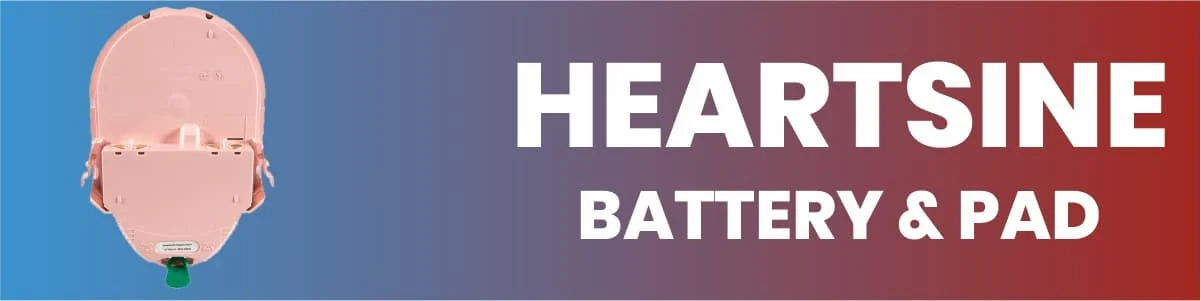
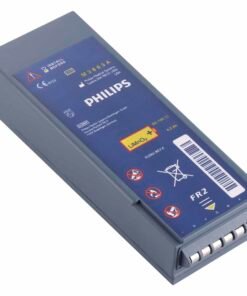
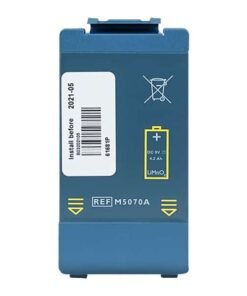
- Philips: Philips HeartStart AEDs use lithium batteries that typically last for 3–11 uses before replacement.
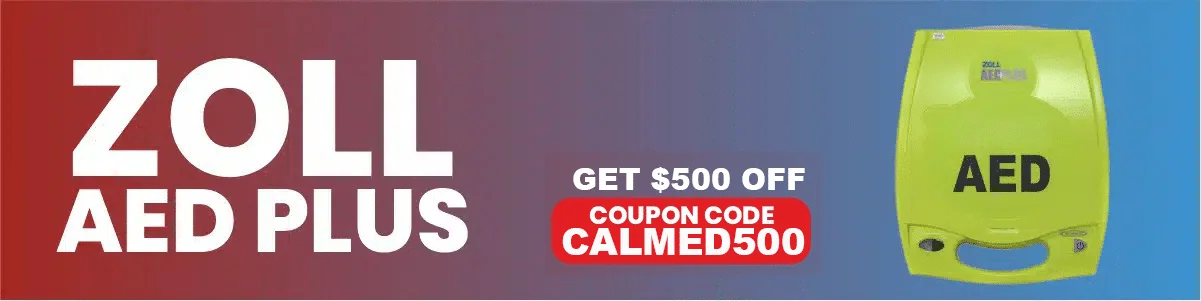
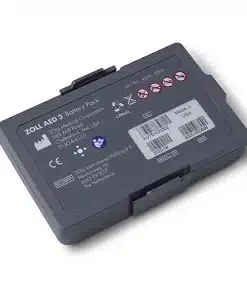
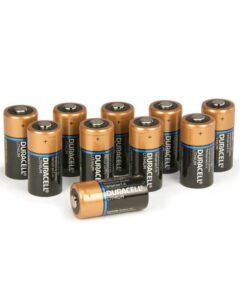
- ZOLL: ZOLL AEDs, including the ZOLL AED Plus, rely on non-rechargeable batteries that provide approximately 2–4 uses.
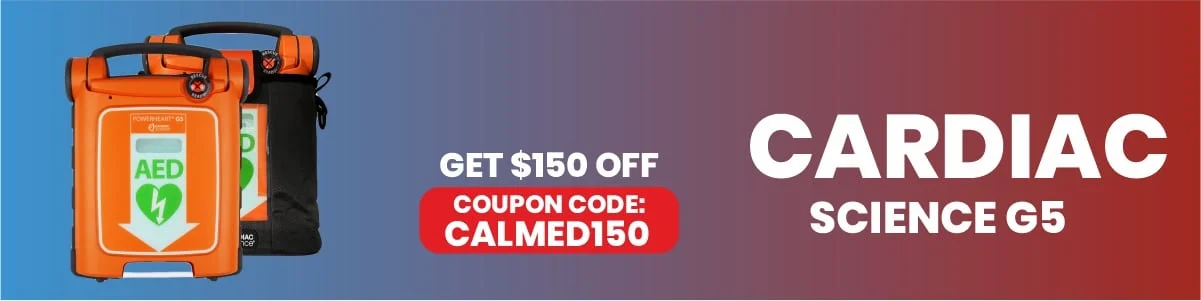
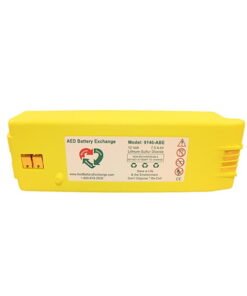
- Cardiac Science: Cardiac Science AEDs use non-rechargeable batteries with an average lifespan of 4–7 uses.
- Physio-Control (LIFEPAK): LIFEPAK AEDs support both rechargeable and non-rechargeable options. For example, the LIFEPAK 500 requires a rechargeable battery that typically lasts for 2–4 uses.
Choosing the Right Replacement Battery
When replacing your AED battery, keep the following points in mind:
- Authorized Distributors: Always purchase batteries from authorized distributors to ensure authenticity, safety, and performance.
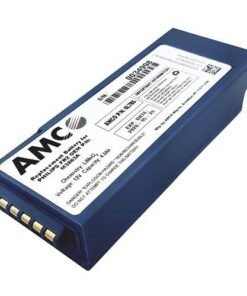
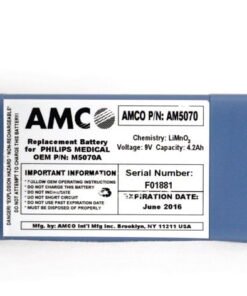
- Compatibility: Confirm that the battery is designed specifically for your AED model. Incompatible batteries can affect functionality.
- Intellisense® Technology: Some AEDs, such as Philips models, use Intellisense® technology to optimize battery performance and lifespan.
Proper Battery Maintenance
Routine maintenance helps ensure your AED is ready when it’s needed most.
- Regular Checks: Inspect battery status frequently and replace it immediately if charge levels are low.
- Storage Conditions: Store spare batteries in a cool, dry environment. Extreme temperatures can reduce battery efficiency.
- Emergency Preparedness: Keep spare batteries easily accessible to avoid delays during emergencies.
How Much Do AED Replacement Batteries Cost?
AED replacement batteries typically range from $20 to $300, depending on whether the battery is rechargeable or non-rechargeable and the specific AED brand and model.