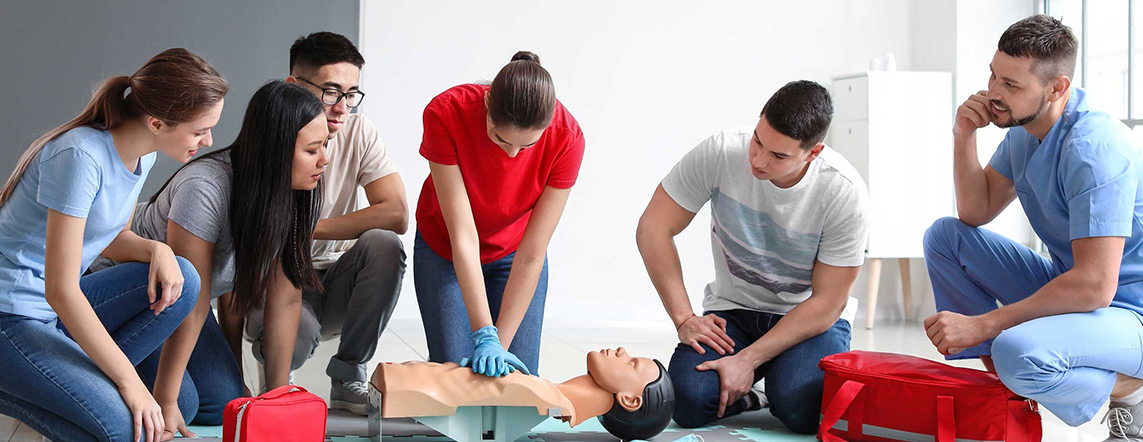
Emergencies can happen anytime, anywhere—at home, in the workplace, at school, or in public spaces. In those critical first few minutes before professional medical help arrives, the actions taken by bystanders can mean the difference between life and death. This is where first aid training becomes invaluable. Understanding first aid and knowing how to apply it properly equips individuals with the confidence and skills needed to respond effectively during medical emergencies.
First aid is not just for healthcare professionals. It is a life skill that empowers ordinary people to make extraordinary differences in moments of crisis. In this detailed guide, we will explore what first aid training involves, why it is important, and how it benefits individuals, workplaces, and communities.
First aid training is a structured educational program that teaches individuals how to provide immediate assistance to someone experiencing injury or sudden illness. The goal is to stabilize the person’s condition, prevent the situation from worsening, and support recovery until professional medical services arrive.
Training typically covers a wide range of emergency scenarios, including:
Courses may vary in depth and duration, but they are designed to provide both theoretical knowledge and practical, hands-on experience.
In many emergencies, the first few minutes are crucial. For example, during cardiac arrest, brain damage can begin within four to six minutes without oxygen. A person trained in CPR can keep oxygenated blood flowing until emergency responders arrive.
Similarly, applying pressure to severe bleeding or placing someone in the recovery position can prevent life-threatening complications. First aid training enables people to act quickly and confidently when time is critical.
Prompt first aid can minimize the severity of injuries. Properly treating a burn can reduce scarring. Immobilizing a fractured limb can prevent further damage. Recognizing signs of a stroke early can speed up medical intervention, improving recovery outcomes.
When individuals know how to respond correctly, they reduce the risk of complications and long-term harm.
One of the most powerful aspects of first aid training is the confidence it instills. In emergency situations, panic is common. People often hesitate because they fear doing something wrong. Training replaces uncertainty with knowledge.
When individuals understand what steps to take, they are more likely to act decisively and calmly. This confidence can be life-saving.
Workplace safety is a major reason organizations invest in first aid training. Whether in offices, construction sites, factories, or schools, accidents can occur unexpectedly.
Employers benefit from having trained first aiders on-site because:
In high-risk industries such as construction or manufacturing, first aid training is especially critical. However, even low-risk office environments can experience medical emergencies like heart attacks, fainting, or allergic reactions.
Emergencies do not only occur at work. Many incidents happen at home, especially involving children, elderly individuals, or those with chronic conditions.
Parents trained in first aid can respond to choking, falls, or burns more effectively. Caregivers of elderly family members can manage sudden medical issues while waiting for emergency services.
In public settings, trained individuals can assist strangers during accidents, road incidents, or sudden collapses. This collective readiness strengthens community safety.
Cardiopulmonary Resuscitation (CPR) is one of the most critical skills taught in first aid courses. It involves chest compressions and rescue breaths to maintain circulation and oxygen flow during cardiac arrest.
Many courses also teach participants how to use an Automated External Defibrillator (AED), a device that can restore a normal heart rhythm during sudden cardiac arrest. AEDs are increasingly available in public spaces, and knowing how to use them can dramatically improve survival rates.
Choking can occur suddenly, especially in children. First aid training teaches techniques such as abdominal thrusts (Heimlich maneuver) and back blows to clear airway obstructions safely.
Severe bleeding can lead to shock and death within minutes. Training includes learning how to apply direct pressure, use bandages, and in some cases, apply a tourniquet correctly.
Proper immobilization of injured limbs prevents further damage. Participants learn how to create splints and provide support until medical care is available.
First aid training also emphasizes recognizing warning signs of serious conditions such as heart attacks, strokes, seizures, and diabetic emergencies. Early recognition ensures faster medical intervention.
Beyond physical skills, first aid training fosters a sense of responsibility and compassion. It encourages individuals to look out for one another and to step forward rather than remain passive in emergencies.
Communities with a higher number of trained individuals tend to respond more effectively to accidents and disasters. This shared preparedness strengthens social bonds and resilience.
In many countries, Good Samaritan laws protect individuals who provide reasonable assistance during emergencies. First aid training often includes guidance on legal considerations and emphasizes acting within the scope of one’s training.
Understanding these aspects reassures participants that offering help is both ethical and legally supported in most situations.
First aid guidelines and best practices evolve over time. Regular refresher courses ensure that skills remain sharp and up to date. Practicing techniques periodically helps maintain muscle memory and confidence.
Organizations are encouraged to schedule regular training sessions, and individuals should consider renewing certifications as recommended by training providers.
First aid training is more than just a certificate—it is a life-saving skill that empowers individuals to act confidently and effectively in emergencies. Whether at home, in the workplace, or in public spaces, the ability to provide immediate assistance can prevent complications, reduce recovery time, and save lives.
In a world where accidents and medical emergencies can happen without warning, being prepared is not optional—it is essential. Investing time in first aid training is an investment in safety, responsibility, and community well-being. Every trained individual adds another layer of protection to society, making our homes, workplaces, and public spaces safer for everyone.