Automated External Defibrillators (AEDs) are the unsung heroes in emergency situations. These compact devices can mean the difference between life and death during cardiac arrest. But what good is an AED if it’s not readily accessible?
Ensuring an AED is stored in an accessible AED wall cabinet is just as important as having the device itself. This is where AED cabinets and alarmed defibrillators play a critical role.
When selecting an Automated External Defibrillator (AED) cabinet, several important factors should be considered to ensure effectiveness, visibility, and accessibility during emergencies.
By considering these factors, you can choose an AED cabinet that offers both strong protection and quick access when seconds matter.
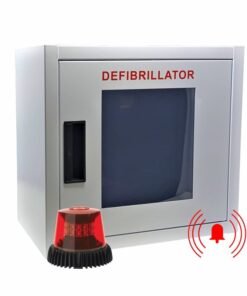
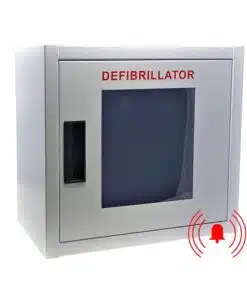
An alarmed AED is stored in a cabinet equipped with an audible alarm that activates when the door is opened. Think of it as a security system designed specifically for a life-saving device.
When the cabinet door opens, the alarm sounds immediately. This alerts nearby individuals, discourages unauthorized access, and draws attention during an emergency.
Alarmed AED cabinets provide multiple advantages that improve both security and emergency response:
Together, alarms and enhanced visibility promote a culture of safety and ensure the AED is available and functional when it’s needed most.
Always follow the manufacturer’s mounting guidelines. Cabinets should typically be installed at eye level for easy access and securely wall-mounted for stability.
Use tamper-proof screws and ensure the cabinet remains locked when not in use. If applicable, verify that the AED cabinet alarm is functioning correctly.
Inspect the AED and cabinet regularly. Replace batteries and electrode pads according to the manufacturer’s schedule to ensure reliability.
If you’re unsure about proper placement or installation, consult a professional. The effectiveness of your AED depends on correct setup and accessibility.
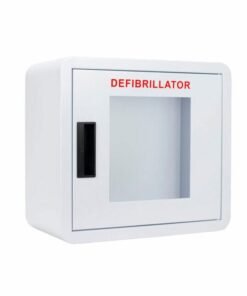
An AED cabinet is a specialized enclosure designed to securely store an Automated External Defibrillator. These cabinets are made from durable materials, often weather-resistant, and may include locks, alarms, and clear signage to protect the AED while keeping it accessible during emergencies.
The method varies by manufacturer and model. Typically, a button or switch is located on or inside the cabinet. Always consult the manufacturer’s instructions or contact customer support for accurate guidance.
A commonly recommended mounting height is between 48 and 60 inches (122 to 152 cm) from the floor. This ensures visibility and accessibility for most individuals, including those using mobility aids.
Yes, height requirements may be governed by local regulations or accessibility guidelines. While 48 to 60 inches is a common standard, always verify compliance with local laws and building codes.
The ideal height is generally 48 to 60 inches from the floor, ensuring the AED is easy to locate and access quickly. Local accessibility standards should always be followed.